



Europa Clipper Spots Surprising Surface Clues in Early Flyby Data
Read the full article for context, quotes, and updates from the team.
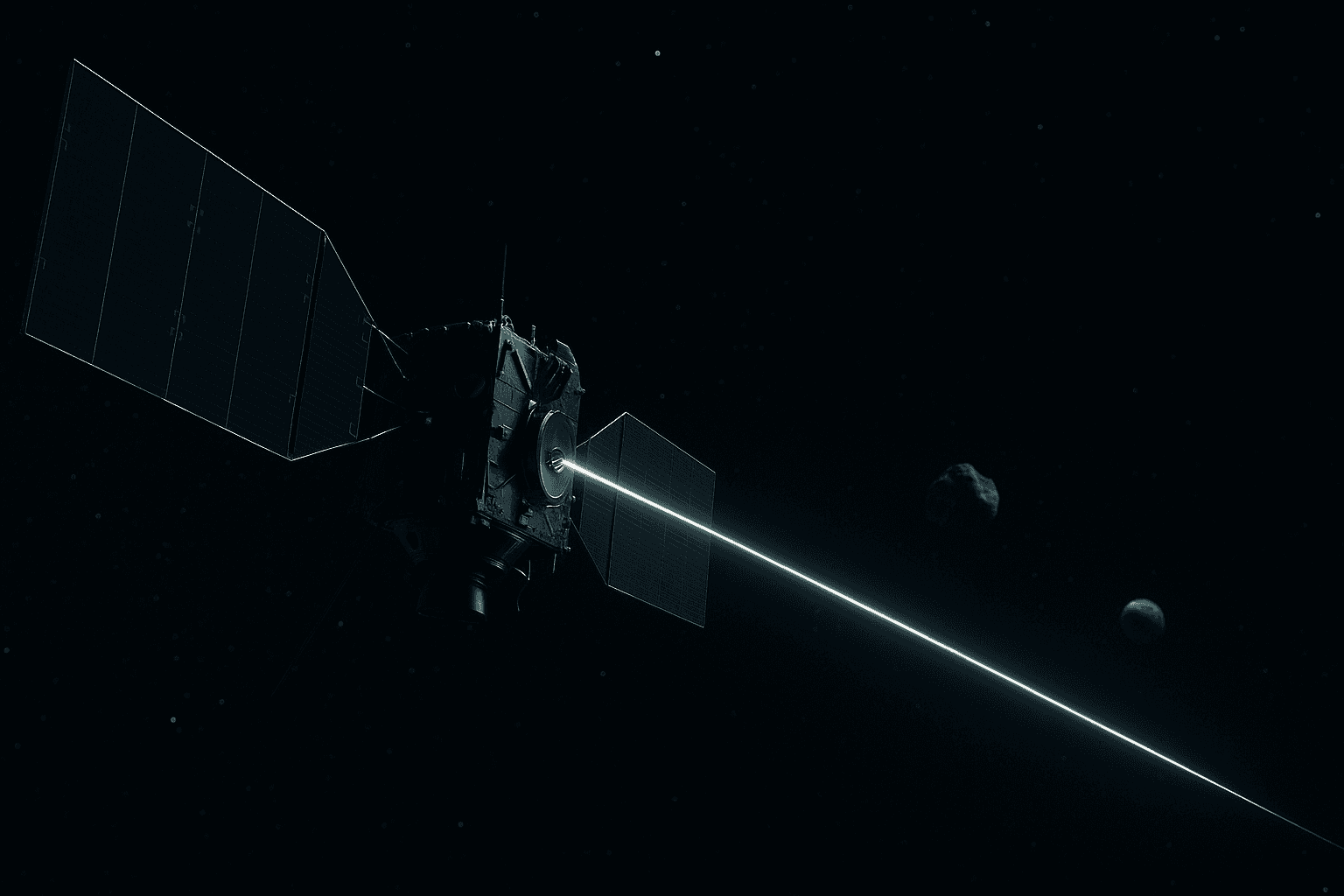
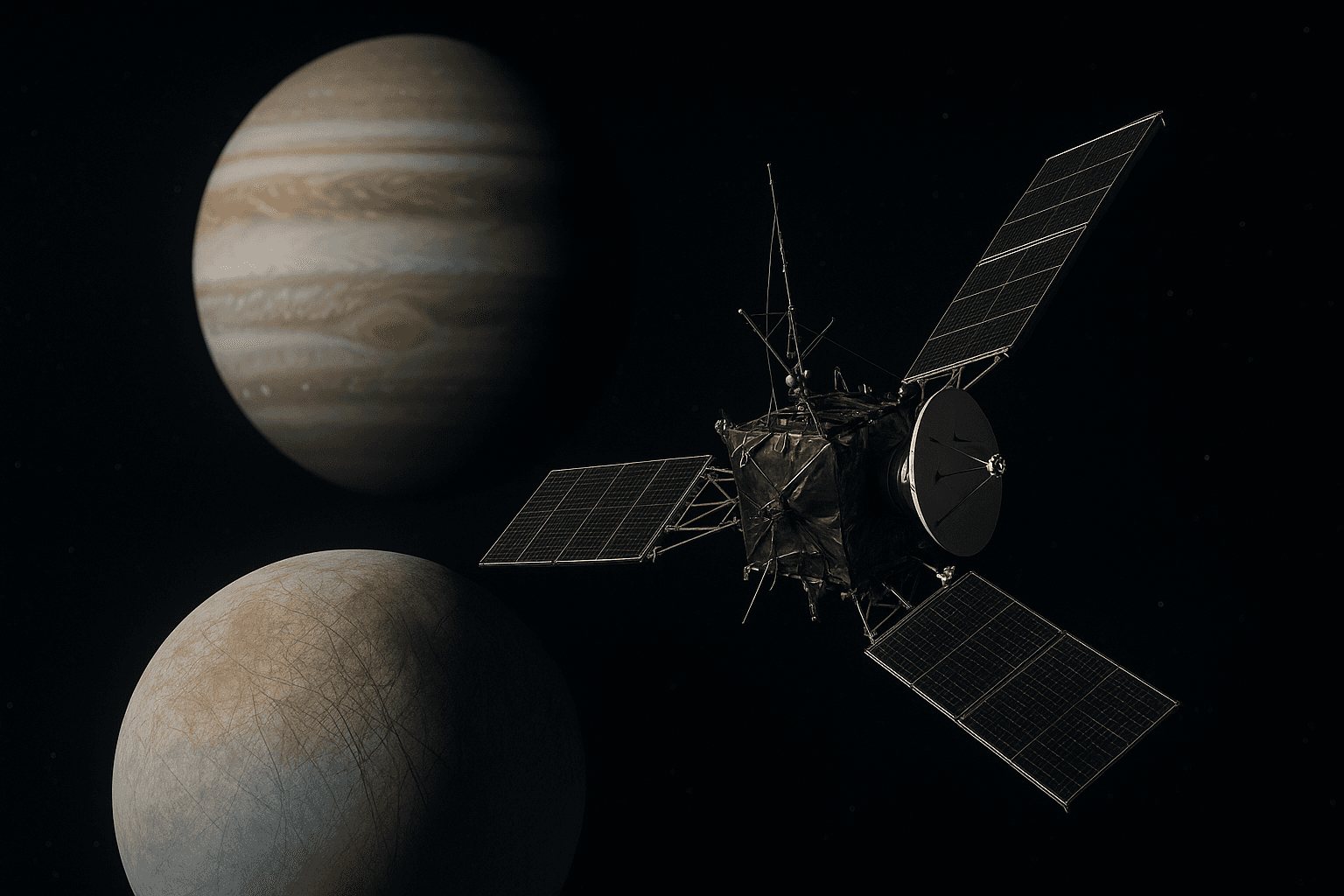
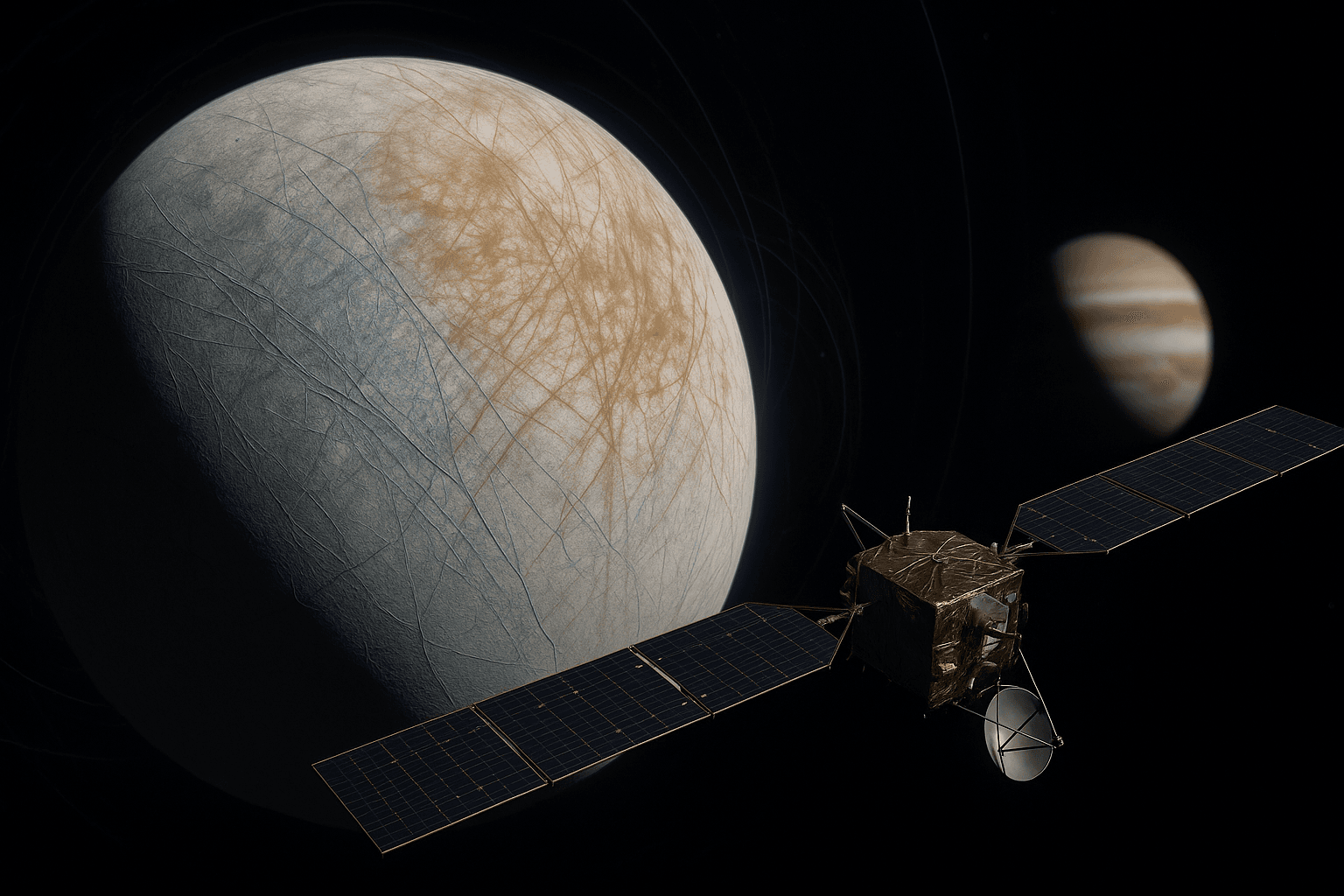
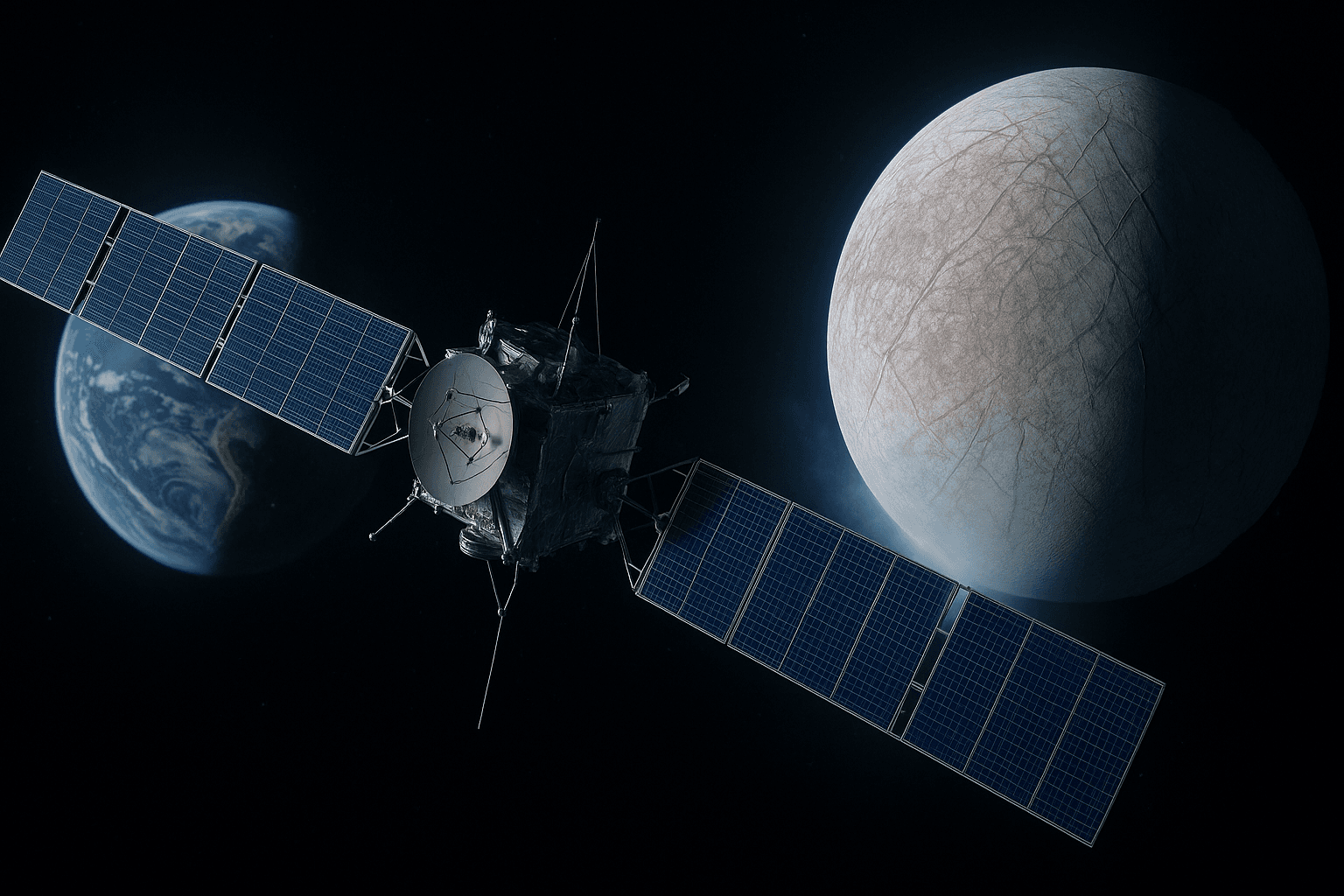
NASA’s Europa Clipper has sent back its first data from an Earth gravity-assist flyby, and the early results are already intriguing scientists. Launched in October 2024, the spacecraft is using the maneuver to build speed for its long journey to Jupiter, where it will begin a detailed investigation of Europa, one of the most promising places in the solar system to search for conditions that could support life.
Initial analysis of high-resolution images and compositional measurements suggests unexpected variations across Europa’s icy surface. Researchers say the patterns may point to active processes beneath the moon’s frozen crust, including possible interactions with a global subsurface ocean. Some of the features under review could also be consistent with cryovolcanic activity or plume-like emissions, though scientists caution that the data are still being examined.
The findings mark an important milestone for the mission, offering an early test of the spacecraft’s instruments before it reaches the Jovian system in 2030. If confirmed, the observations could help refine theories about how Europa’s surface and hidden ocean exchange material — a key factor in assessing the moon’s habitability.